
Education
Insights
How Montessori Microschools Build Emotional Intelligence in Early Learners
5 min read
Introduction
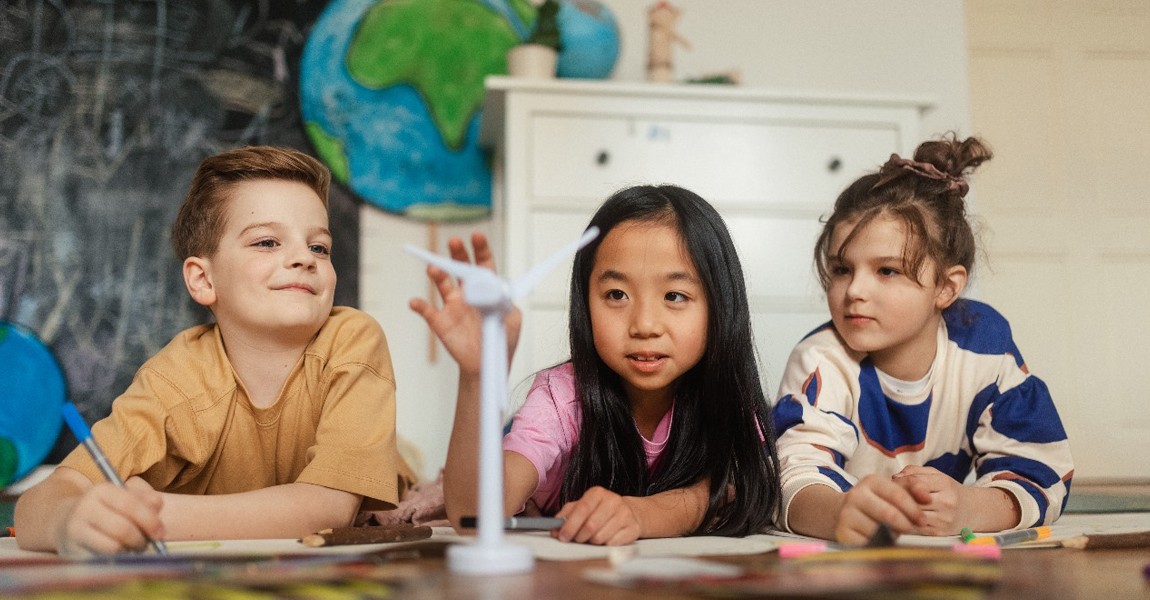
In today’s world, academic excellence alone is not enough. Children need emotional intelligence—skills like empathy, self-awareness, communication, and resilience—to thrive in school and life. This is where Montessori education, enhanced through the Microschool model, offers a powerful foundation.
At Dreamtime Learning Hub, one of the top schools in Hyderabad for early learning, we integrate Montessori international practices with small, nurturing Microschool environments to help children understand not just the world—but themselves.
Why Emotional Intelligence Matters in Early Childhood
The preschool years shape how children manage emotions, build relationships, and solve problems. Emotional intelligence (EI) plays a major role in:
Reducing stress and anxiety
Building strong friendships
Improving communication
Encouraging empathy and kindness
Supporting academic success
A child with a strong EI becomes confident, compassionate, and ready for future challenges.
Top Future-Ready Skills Every Child Needs
1. Freedom with Limits Creates Inner Discipline
Children choose activities independently but within a structured environment. This helps them:
2. Creativity Through Exploration
Develop self-control
Understand consequences
Build responsibility
3. Mixed-Age Classrooms Teach Cooperation
Older children become role models, while younger ones learn through observation—a natural way to develop empathy and patience.
4. Hands-On Learning Builds Confidence
Montessori materials allow kids to repeat activities until mastery. Each success boosts:
Self-esteem
Perseverance
Intrinsic motivation
5. Conflict Resolution Practices
Instead of punishment, Montessori encourages children to:
Talk through disagreements
Understand others’ feelings
Solve problems peacefully
How the Microschool Model Strengthens Emotional Development
Dreamtime Learning Hub’s Microschool format amplifies Montessori benefits:
1. Small Groups = Personalized Support
Children feel seen, heard, and understood. Teachers can quickly identify emotional needs and respond with care.
2. Strong Educator-Child Relationships
Deeper bonds help children feel safe, which is essential for emotional growth.
3. Community-Focused Activities
Collaborative projects teach:
Teamwork
Empathy
Leadership
4. Calm, Nurturing Environments
A peaceful space helps children regulate emotions and express themselves freely.
Global EI Through Montessori International
At Dreamtime Learning Hub, emotional intelligence goes global.
Stories from different cultures teach empathy
Celebrations build inclusion
Language exposure increases emotional awareness
Children learn to appreciate people from all backgrounds—essential for a global future.
Why Dreamtime is a Leader in Holistic Montessori Learning
Parents choose Dreamtime Learning Hub because we focus on the whole child, not just academics.
We offer:
Trained Montessori facilitators
Small Microschool communities
Global curriculum themes
Emotional intelligence programs
Safe, child-centered learning spaces
We nurture thinkers, collaborators, and emotionally aware young leaders.
FAQs
1. How does Montessori help with emotional development?
It encourages independence, empathy, and conflict resolution—key EI components.
2. Are Microschools better for emotional growth?
Yes, small class sizes and personalized attention support secure emotional development.
3. What age is best to start an EI-focused Montessori program?
Around 2.5 to 3 years, when children begin identifying emotions.
Conclusion
Emotional intelligence is the foundation of lifelong success. Through the Montessori international approach and the Microschool model, Dreamtime Learning Hub offers children an environment where they can grow—with confidence, compassion, and emotional strength.
A child who understands emotions becomes an adult who understands the world.
Introduction
In today’s world, academic excellence alone is not enough. Children need emotional intelligence—skills like empathy, self-awareness, communication, and resilience—to thrive in school and life. This is where Montessori education, enhanced through the Microschool model, offers a powerful foundation.
At Dreamtime Learning Hub, one of the top schools in Hyderabad for early learning, we integrate Montessori international practices with small, nurturing Microschool environments to help children understand not just the world—but themselves.
Why Emotional Intelligence Matters in Early Childhood
The preschool years shape how children manage emotions, build relationships, and solve problems. Emotional intelligence (EI) plays a major role in:
Reducing stress and anxiety
Building strong friendships
Improving communication
Encouraging empathy and kindness
Supporting academic success
A child with a strong EI becomes confident, compassionate, and ready for future challenges.
Top Future-Ready Skills Every Child Needs
1. Freedom with Limits Creates Inner Discipline
Children choose activities independently but within a structured environment. This helps them:
2. Creativity Through Exploration
Develop self-control
Understand consequences
Build responsibility
3. Mixed-Age Classrooms Teach Cooperation
Older children become role models, while younger ones learn through observation—a natural way to develop empathy and patience.
4. Hands-On Learning Builds Confidence
Montessori materials allow kids to repeat activities until mastery. Each success boosts:
Self-esteem
Perseverance
Intrinsic motivation
5. Conflict Resolution Practices
Instead of punishment, Montessori encourages children to:
Talk through disagreements
Understand others’ feelings
Solve problems peacefully
How the Microschool Model Strengthens Emotional Development
Dreamtime Learning Hub’s Microschool format amplifies Montessori benefits:
1. Small Groups = Personalized Support
Children feel seen, heard, and understood. Teachers can quickly identify emotional needs and respond with care.
2. Strong Educator-Child Relationships
Deeper bonds help children feel safe, which is essential for emotional growth.
3. Community-Focused Activities
Collaborative projects teach:
Teamwork
Empathy
Leadership
4. Calm, Nurturing Environments
A peaceful space helps children regulate emotions and express themselves freely.
Global EI Through Montessori International
At Dreamtime Learning Hub, emotional intelligence goes global.
Stories from different cultures teach empathy
Celebrations build inclusion
Language exposure increases emotional awareness
Children learn to appreciate people from all backgrounds—essential for a global future.
Why Dreamtime is a Leader in Holistic Montessori Learning
Parents choose Dreamtime Learning Hub because we focus on the whole child, not just academics.
We offer:
Trained Montessori facilitators
Small Microschool communities
Global curriculum themes
Emotional intelligence programs
Safe, child-centered learning spaces
We nurture thinkers, collaborators, and emotionally aware young leaders.
FAQs
1. How does Montessori help with emotional development?
It encourages independence, empathy, and conflict resolution—key EI components.
2. Are Microschools better for emotional growth?
Yes, small class sizes and personalized attention support secure emotional development.
3. What age is best to start an EI-focused Montessori program?
Around 2.5 to 3 years, when children begin identifying emotions.
Conclusion
Emotional intelligence is the foundation of lifelong success. Through the Montessori international approach and the Microschool model, Dreamtime Learning Hub offers children an environment where they can grow—with confidence, compassion, and emotional strength.
A child who understands emotions becomes an adult who understands the world.
Admissions Open
Share Article



Hyderabad Campus | +91 6302138606
Dreamtime learning hub, Plot no 505, Road no 22, Jubilee hills, Hyderabad – 500033.
Pune Campus | +91 7207352288
Survey no 202A, plot no 4B, next to Shree Hospital, opp Aga khan palace, Kalyani Nagar, Nagar road, Pune – 411006.

hub@dreamtimelearning.com
Copyright © 2026 Dreamtime Learning Hub, All rights reserved.
Hyderabad Campus | +91 6302138606
Dreamtime learning hub, Plot no 505, Road no 22, Jubilee hills, Hyderabad – 500033.
Pune Campus | +91 7207352288
Survey no 202A, plot no 4B, next to Shree Hospital, opp Aga khan palace, Kalyani Nagar, Nagar road, Pune – 411006.
hub@dreamtimelearning.com
Resources
Get in touch
Copyright © 2026 Dreamtime Learning Hub, All rights reserved.
Hyderabad Campus | +91 6302138606
Dreamtime learning hub, Plot no 505, Road no 22, Jubilee hills, Hyderabad – 500033.
Pune Campus | +91 7207352288
Survey no 202A, plot no 4B, next to Shree Hospital, opp Aga khan palace, Kalyani Nagar, Nagar road, Pune – 411006.
hub@dreamtimelearning.com
Copyright © 2026 Dreamtime Learning Hub, All rights reserved.
