
Creativity
Education
Insights
Why Montessori Education Is the Preferred Choice for...
5 min read
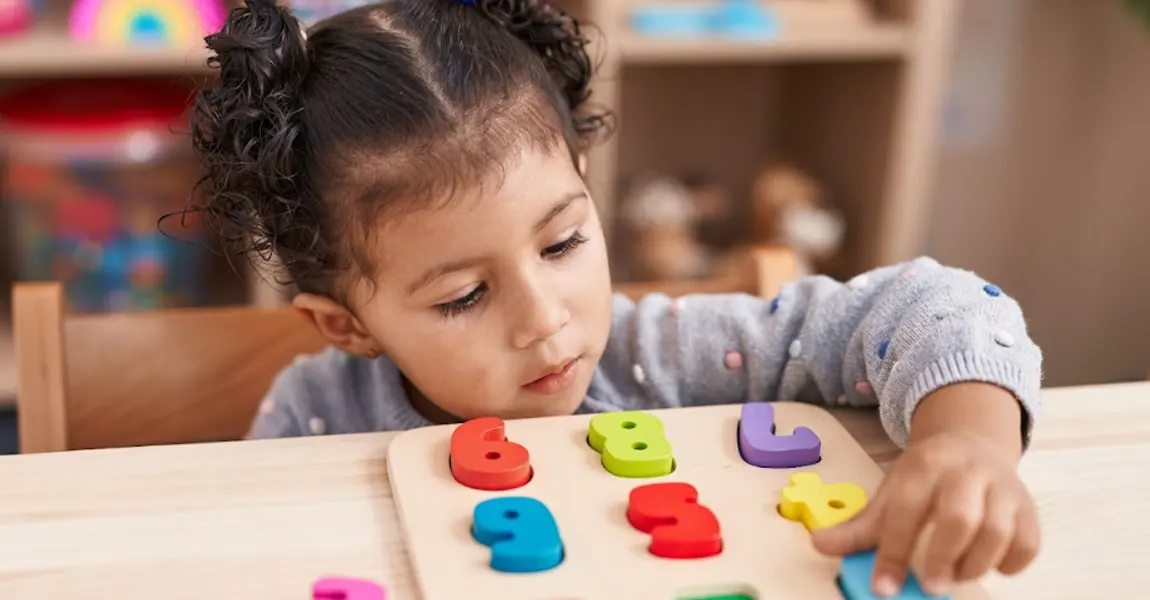
Montessori education has earned global recognition for its child-centered philosophy and its strong emphasis on independent learning. Rooted in respect for a child’s natural curiosity, the Montessori approach empowers preschool children to explore, discover, and learn at their own pace. By nurturing independence early, Montessori education helps children develop essential academic, social, and life skills that support lifelong success.
In this article, we explore how Montessori education promotes independent learning in preschool children, examining its core principles, classroom practices, and long-term benefits. If you are searching for an international preschool near me or a trusted Montessori international school, this guide will help you understand why this approach stands out.
1. Understanding the Montessori Method
The Montessori method of education was developed by Dr. Maria Montessori, an Italian physician and educator. This philosophy emphasizes self-directed learning, hands-on exploration, and collaborative experiences. Montessori classrooms, such as those at International Montessori Academy, are thoughtfully designed to encourage independence, confidence, and curiosity.
Unlike traditional teaching models, Montessori education recognizes that children are naturally capable learners. Teachers act as facilitators rather than instructors, allowing preschool children to take ownership of their learning journey.
2. The Importance of the Prepared Environment
A key pillar of Montessori education is the prepared environment, which plays a crucial role in fostering independent learning. Montessori classrooms, including those in an international preschool setting, are carefully organized to meet the developmental needs of preschool children.
Key elements include:
Child-sized furniture that promotes accessibility and autonomy
Order and simplicity, helping children develop focus and organization
Hands-on Montessori materials that are engaging, self-correcting, and age-appropriate
This structured yet flexible environment encourages children to explore independently and build responsibility.
3. Freedom Within Limits
One of the defining concepts of Montessori education is freedom within limits. Preschool children are free to choose their activities and work at their own pace, within clearly defined boundaries.
For example:
Children select learning materials independently but return them after use
They explore personal interests while respecting peers and shared spaces
4. Montessori Teachers as Learning Guides
In Montessori education, teachers are known as guides. Their role is to observe, support, and gently direct learning rather than control it.
Observation helps identify each child’s strengths and interests
Encouragement promotes problem-solving and curiosity
Minimal interference allows children to learn through experience
This approach builds confidence and trust in a child’s own abilities—key outcomes of independent learning.
5. Self-Correcting Montessori Materials
A standout feature of Montessori education is its use of self-correcting materials, which enable children to recognize and fix mistakes independently.
Examples include:
Knobbed cylinders for spatial awareness
Color tablets for visual discrimination
Sandpaper letters for early literacy development
These materials strengthen critical thinking, persistence, and self-reliance.
6. Practical Life Activities and Independence
Practical life activities are central to Montessori classrooms and play a vital role in developing independence.
Common activities include:
Pouring and transferring objects to refine motor skills
Buttoning and zipping to encourage self-care
Cleaning and organizing to build responsibility
Through these tasks, preschool children gain real-world skills that support independent learning and confidence.
7. Encouraging Choice and Autonomy
Choice is at the heart of Montessori education. Children decide what to work on, how long to engage, and how to approach tasks.
This autonomy:
Builds focus and ownership
Encourages intrinsic motivation
Strengthens decision-making skills
Such freedom reinforces independence and self-confidence.
8. Mixed-Age Classrooms and Peer Learning
Many Montessori international schools use mixed-age classrooms, allowing children to learn from one another.
Younger children observe and learn from older peers
Older children develop leadership and empathy
This collaborative environment enhances social development and independent thinking.
9. Fostering Intrinsic Motivation
Rather than relying on rewards, Montessori education emphasizes intrinsic motivation.
Children learn because they are curious and engaged—not pressured. Completing tasks independently gives them a sense of pride, reinforcing a lifelong love for learning.
10. Building Problem-Solving and Critical Thinking Skills
Through hands-on learning, Montessori classrooms encourage preschool children to:
Analyze challenges
Think logically
Persist through difficulty
These skills support academic success and personal growth well beyond early childhood.
Conclusion
Montessori education plays a powerful role in promoting independent learning in preschool children. Through prepared environments, freedom within limits, self-correcting materials, and practical life activities, children learn to think critically, act responsibly, and trust their abilities.
For parents searching for an international preschool near me, Montessori international school programs such as those at International Montessori Academy offer a balanced, empowering approach to early education. By nurturing independence from an early age, Montessori education lays the foundation for confident, capable, and self-motivated learners.
Montessori education has earned global recognition for its child-centered philosophy and its strong emphasis on independent learning. Rooted in respect for a child’s natural curiosity, the Montessori approach empowers preschool children to explore, discover, and learn at their own pace. By nurturing independence early, Montessori education helps children develop essential academic, social, and life skills that support lifelong success.
In this article, we explore how Montessori education promotes independent learning in preschool children, examining its core principles, classroom practices, and long-term benefits. If you are searching for an international preschool near me or a trusted Montessori international school, this guide will help you understand why this approach stands out.
1. Understanding the Montessori Method
The Montessori method of education was developed by Dr. Maria Montessori, an Italian physician and educator. This philosophy emphasizes self-directed learning, hands-on exploration, and collaborative experiences. Montessori classrooms, such as those at International Montessori Academy, are thoughtfully designed to encourage independence, confidence, and curiosity.
Unlike traditional teaching models, Montessori education recognizes that children are naturally capable learners. Teachers act as facilitators rather than instructors, allowing preschool children to take ownership of their learning journey.
2. The Importance of the Prepared Environment
A key pillar of Montessori education is the prepared environment, which plays a crucial role in fostering independent learning. Montessori classrooms, including those in an international preschool setting, are carefully organized to meet the developmental needs of preschool children.
Key elements include:
Child-sized furniture that promotes accessibility and autonomy
Order and simplicity, helping children develop focus and organization
Hands-on Montessori materials that are engaging, self-correcting, and age-appropriate
This structured yet flexible environment encourages children to explore independently and build responsibility.
3. Freedom Within Limits
One of the defining concepts of Montessori education is freedom within limits. Preschool children are free to choose their activities and work at their own pace, within clearly defined boundaries.
For example:
Children select learning materials independently but return them after use
They explore personal interests while respecting peers and shared spaces
4. Montessori Teachers as Learning Guides
In Montessori education, teachers are known as guides. Their role is to observe, support, and gently direct learning rather than control it.
Observation helps identify each child’s strengths and interests
Encouragement promotes problem-solving and curiosity
Minimal interference allows children to learn through experience
This approach builds confidence and trust in a child’s own abilities—key outcomes of independent learning.
5. Self-Correcting Montessori Materials
A standout feature of Montessori education is its use of self-correcting materials, which enable children to recognize and fix mistakes independently.
Examples include:
Knobbed cylinders for spatial awareness
Color tablets for visual discrimination
Sandpaper letters for early literacy development
These materials strengthen critical thinking, persistence, and self-reliance.
6. Practical Life Activities and Independence
Practical life activities are central to Montessori classrooms and play a vital role in developing independence.
Common activities include:
Pouring and transferring objects to refine motor skills
Buttoning and zipping to encourage self-care
Cleaning and organizing to build responsibility
Through these tasks, preschool children gain real-world skills that support independent learning and confidence.
7. Encouraging Choice and Autonomy
Choice is at the heart of Montessori education. Children decide what to work on, how long to engage, and how to approach tasks.
This autonomy:
Builds focus and ownership
Encourages intrinsic motivation
Strengthens decision-making skills
Such freedom reinforces independence and self-confidence.
8. Mixed-Age Classrooms and Peer Learning
Many Montessori international schools use mixed-age classrooms, allowing children to learn from one another.
Younger children observe and learn from older peers
Older children develop leadership and empathy
This collaborative environment enhances social development and independent thinking.
9. Fostering Intrinsic Motivation
Rather than relying on rewards, Montessori education emphasizes intrinsic motivation.
Children learn because they are curious and engaged—not pressured. Completing tasks independently gives them a sense of pride, reinforcing a lifelong love for learning.
10. Building Problem-Solving and Critical Thinking Skills
Through hands-on learning, Montessori classrooms encourage preschool children to:
Analyze challenges
Think logically
Persist through difficulty
These skills support academic success and personal growth well beyond early childhood.
Conclusion
Montessori education plays a powerful role in promoting independent learning in preschool children. Through prepared environments, freedom within limits, self-correcting materials, and practical life activities, children learn to think critically, act responsibly, and trust their abilities.
For parents searching for an international preschool near me, Montessori international school programs such as those at International Montessori Academy offer a balanced, empowering approach to early education. By nurturing independence from an early age, Montessori education lays the foundation for confident, capable, and self-motivated learners.
Admissions Open
Share Article


Hyderabad Campus | +91 6302138606
Dreamtime learning hub, Plot no 505, Road no 22, Jubilee hills, Hyderabad – 500033.
Pune Campus | +91 7207352288
Survey no 202A, plot no 4B, next to Shree Hospital, opp Aga khan palace, Kalyani Nagar, Nagar road, Pune – 411006.

hub@dreamtimelearning.com
Copyright © 2026 Dreamtime Learning Hub, All rights reserved.


Hyderabad Campus | +91 6302138606
Dreamtime learning hub, Plot no 505, Road no 22, Jubilee hills, Hyderabad – 500033.
Pune Campus | +91 7207352288
Survey no 202A, plot no 4B, next to Shree Hospital, opp Aga khan palace, Kalyani Nagar, Nagar road, Pune – 411006.
hub@dreamtimelearning.com
Resources
Get in touch
Copyright © 2026 Dreamtime Learning Hub, All rights reserved.
Hyderabad Campus | +91 6302138606
Dreamtime learning hub, Plot no 505, Road no 22, Jubilee hills, Hyderabad – 500033.
Pune Campus | +91 7207352288
Survey no 202A, plot no 4B, next to Shree Hospital, opp Aga khan palace, Kalyani Nagar, Nagar road, Pune – 411006.
hub@dreamtimelearning.com
Copyright © 2026 Dreamtime Learning Hub, All rights reserved.
