
Foundation fantasy journey
Nurturing young minds through play, exploration, and compassionate guidance during the most critical developmental years.
Foundation fantasy journey
Nurturing young minds through play, exploration, and compassionate guidance during the most critical developmental years.
Foundation fantasy journey
Nurturing young minds through play, exploration, and compassionate guidance during the most critical developmental years.
Where Early Learning Feels Like Magic
At Dreamtime Learning, we know that early childhood is the most critical phase of human development. Our philosophy centers on the understanding that the brain develops most rapidly in these years. We don't just teach: we nurture wonder through a scientifically-backed, "Absorb-Interact-Create" process that ensures every child understands, applies, and connects their learning to the real world.

Our Academic Philosophy:
The Science of Discovery

Bringing the Philosophy to Life
(The Frameworks)
Play-Based, Purposeful Learning
Every activity is intentionally designed using neuroscience and brain-based instructional design. Play is our foundation for strengthening neural connections and developing critical thinking.
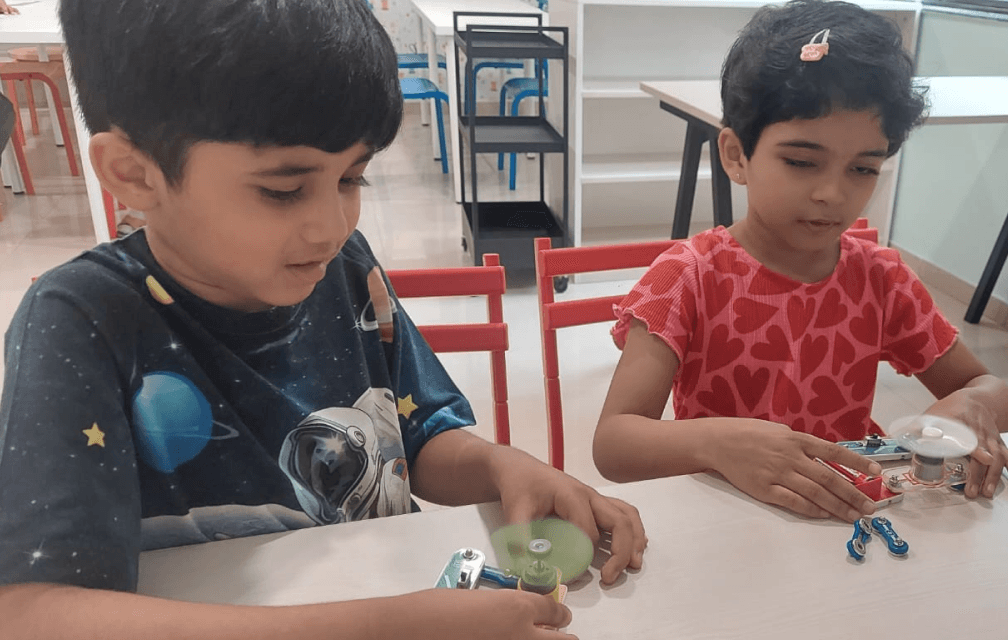
Globally Aligned Excellence
Our curriculum integrates the best practices from Finland, Australia, and New Zealand alongside frameworks like NCF, IB, and EYFS. This ensures a smooth, high-standard transition to Grade 1.
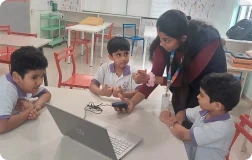
Absorb • Interact • Create
We move beyond passive learning. Children first absorb concepts through rich sensory experiences, Interact through hands-on exploration, and finally Create by applying their knowledge to real-life contexts.
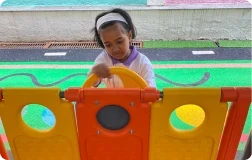
Holistic Growth (SEL)
Using the CASEL framework, we prioritize Social & Emotional Learning, helping children develop self-awareness, emotional regulation, and the confidence to explore.
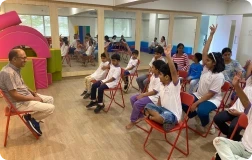
Our Academic Philosophy:
The Science of Discovery
Bringing the Philosophy to Life
(The Frameworks)
Play-Based, Purposeful Learning
Every activity is intentionally designed using neuroscience and brain-based instructional design. Play is our foundation for strengthening neural connections and developing critical thinking.
Globally Aligned Excellence
Our curriculum integrates the best practices from Finland, Australia, and New Zealand alongside frameworks like NCF, IB, and EYFS. This ensures a smooth, high-standard transition to Grade 1.
Absorb • Interact • Create
We move beyond passive learning. Children first absorb concepts through rich sensory experiences, Interact through hands-on exploration, and finally Create by applying their knowledge to real-life contexts.
Holistic Growth (SEL)
Using the CASEL framework, we prioritize Social & Emotional Learning, helping children develop self-awareness, emotional regulation, and the confidence to explore.
Our Academic Philosophy: The Science of Discovery
Bringing the Philosophy to Life (The Frameworks)
Play-Based, Purposeful Learning
Every activity is intentionally designed using neuroscience and brain-based instructional design. Play is our foundation for strengthening neural connections and developing critical thinking.
Globally Aligned Excellence
Our curriculum integrates the best practices from Finland, Australia, and New Zealand alongside frameworks like NCF, IB, and EYFS. This ensures a smooth, high-standard transition to Grade 1.
Absorb • Interact • Create
We move beyond passive learning. Children first absorb concepts through rich sensory experiences, Interact through hands-on exploration, and finally Create by applying their knowledge to real-life contexts.
Holistic Growth (SEL)
Using the CASEL framework, we prioritize Social & Emotional Learning, helping children develop self-awareness, emotional regulation, and the confidence to explore.
The Learning Journey
The Learning Journey
Tailored educational experiences for every developmental stage
Tailored educational experiences for every developmental stage
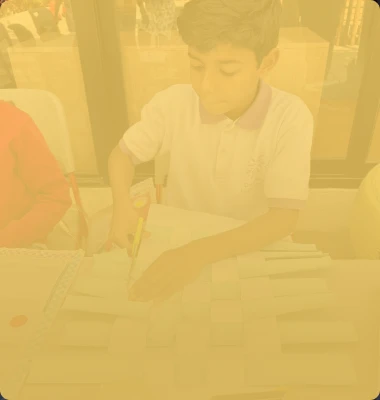
Developmental Milestones
Children develop both fine and gross motor skills to achieve physical independence and social success.
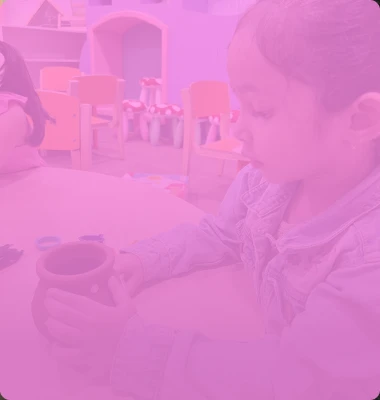
Sensory & Cognitive Foundations
Learners begin to process information through observation, moving from concrete experiences to understanding abstract concepts like size, time, and order.
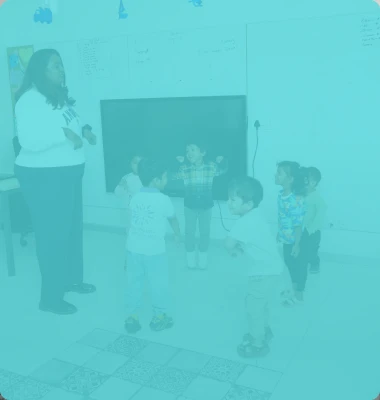
Literacy & Communication
Outcomes focus on developing receptive and expressive language, letter/sound identification, and building vocabulary in a non-threatening environment.
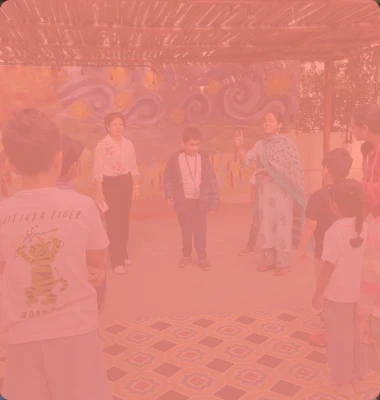
Practical Life Skills (EPL)
Children master real-world actions such as self-care, greeting others, and caring for their environment to perform tasks independently.
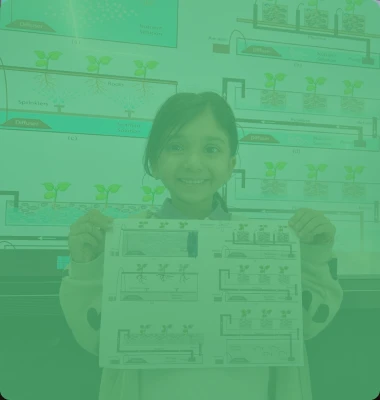
Agency & Autonomy
Through unstructured play, children learn to deal with the unexpected, developing cognitive flexibility and taking full ownership of their learning choices.
Developmental Milestones
Children develop both fine and gross motor skills to achieve physical independence and social success.
Sensory & Cognitive Foundations
Learners begin to process information through observation, moving from concrete experiences to understanding abstract concepts like size, time, and order.
Literacy & Communication
Outcomes focus on developing receptive and expressive language, letter/sound identification, and building vocabulary in a non-threatening environment.
Practical Life Skills (EPL)
Children master real-world actions such as self-care, greeting others, and caring for their environment to perform tasks independently.
Agency & Autonomy
Through unstructured play, children learn to deal with the unexpected, developing cognitive flexibility and taking full ownership of their learning choices.
Developmental Milestones
Children develop both fine and gross motor skills to achieve physical independence and social success.
Sensory & Cognitive Foundations
Learners begin to process information through observation, moving from concrete experiences to understanding abstract concepts like size, time, and order.
Literacy & Communication
Outcomes focus on developing receptive and expressive language, letter/sound identification, and building vocabulary in a non-threatening environment.
Practical Life Skills (EPL)
Children master real-world actions such as self-care, greeting others, and caring for their environment to perform tasks independently.
Agency & Autonomy
Through unstructured play, children learn to deal with the unexpected, developing cognitive flexibility and taking full ownership of their learning choices.
Learning Outcome: A Future-Ready Foundation
Learning Outcome: A Future-Ready Foundation
Every child arrives with a unique blueprint: how they think, move, imagine and question. We refuse to measure them with a one-size-fits-all approach.
At Dreamtime Learning Hubs, we watch how a child learns before we decide what they need to learn next. Instead of forcing children into a fixed mold, we design the learning around how they are wired.
Every child arrives with a unique blueprint: how they think, move, imagine and question. We refuse to measure them with a one-size-fits-all approach.
At Dreamtime Learning Hubs, we watch how a child learns before we decide what they need to learn next. Instead of forcing children into a fixed mold, we design the learning around how they are wired.
Conceptually Curious
Develop early understanding of language, numbers, patterns, and the world through stories, play, and hands-on experiences.
Build connections across ideas rather than learning in isolation
Enter primary years academically confident and concept-ready
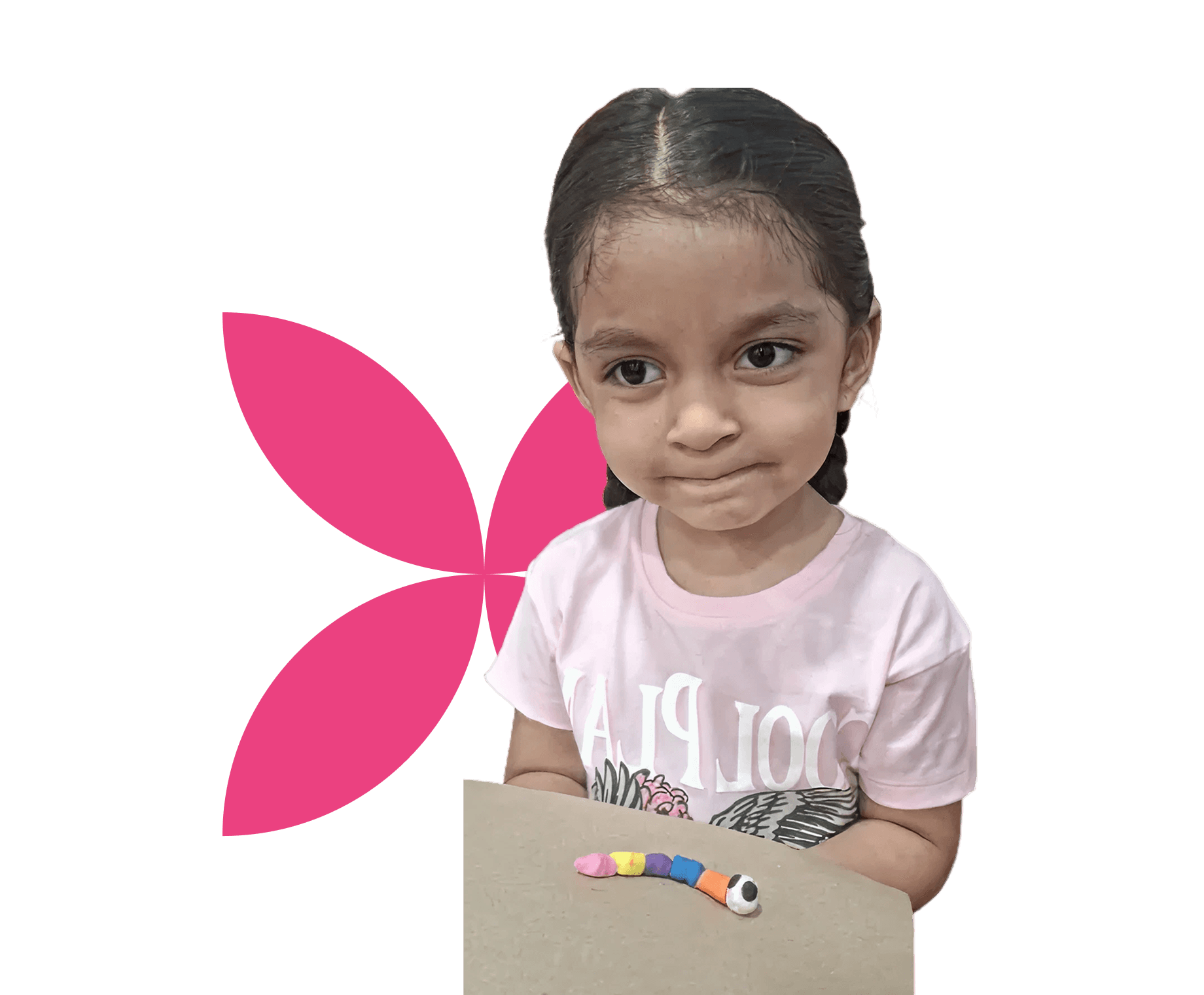
Conceptually Curious
Develop early understanding of language, numbers, patterns, and the world through stories, play, and hands-on experiences.
Build connections across ideas rather than learning in isolation
Enter primary years academically confident and concept-ready
Conceptually Curious
Develop early understanding of language, numbers, patterns, and the world through stories, play, and hands-on experiences.
Build connections across ideas rather than learning in isolation
Enter primary years academically confident and concept-ready
Socially Confident
Express emotions, needs, and ideas with growing clarity
Learn to collaborate, take turns, lead small moments, and learn from peers
Thrive in mixed-age, community-rich environments with empathy and respect
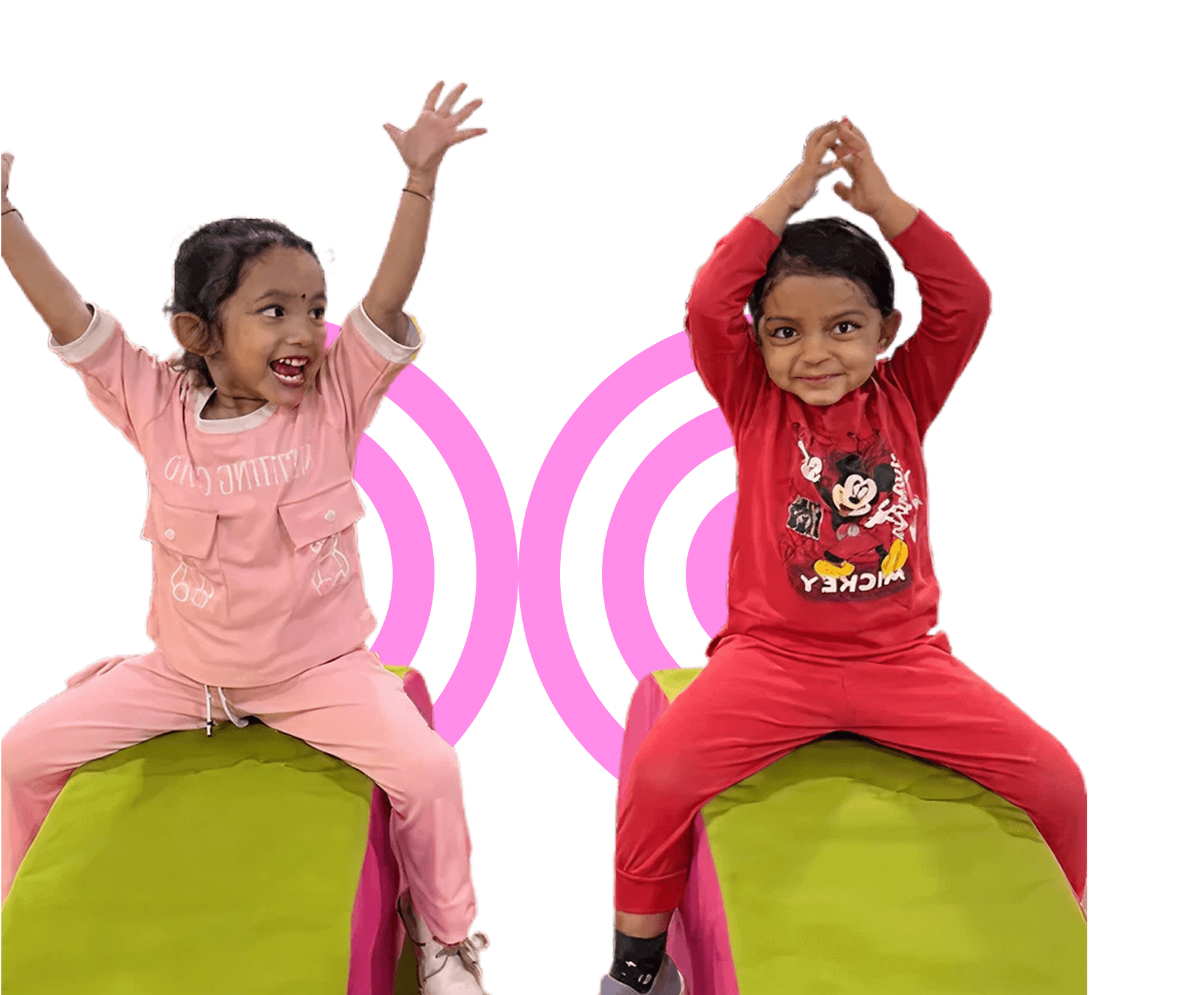
Socially Confident
Express emotions, needs, and ideas with growing clarity
Learn to collaborate, take turns, lead small moments, and learn from peers
Thrive in mixed-age, community-rich environments with empathy and respect
Socially Confident
Express emotions, needs, and ideas with growing clarity
Learn to collaborate, take turns, lead small moments, and learn from peers
Thrive in mixed-age, community-rich environments with empathy and respect
Technically Aware (Age-Appropriate)
Explore tools, materials, and basic technology as creators, not consumers
Develop comfort with both the physical and digital world through guided, meaningful interactions
Build readiness for future learning environments without screen dependence
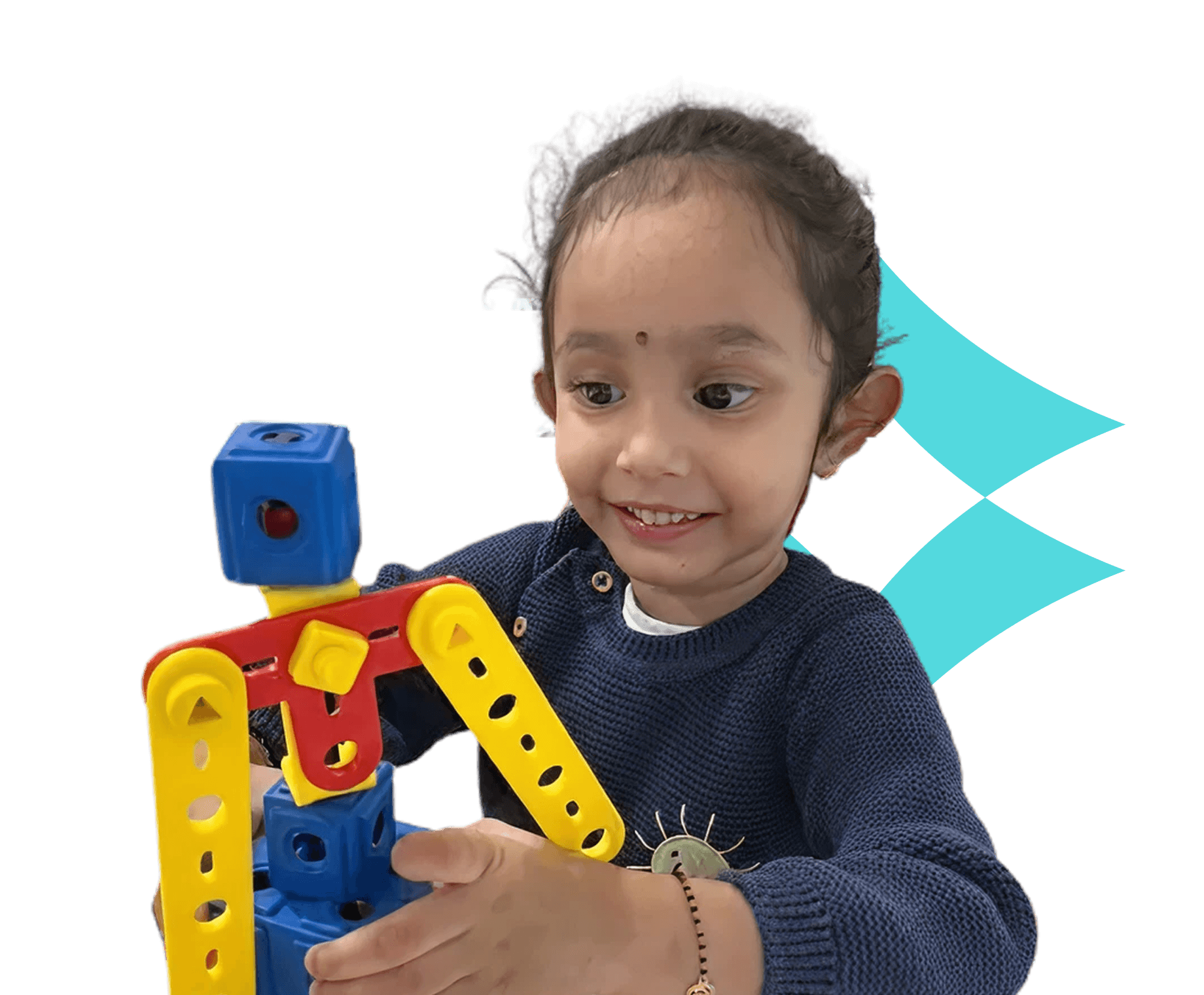
Technically Aware (Age-Appropriate)
Explore tools, materials, and basic technology as creators, not consumers
Develop comfort with both the physical and digital world through guided, meaningful interactions
Build readiness for future learning environments without screen dependence
Technically Aware (Age-Appropriate)
Explore tools, materials, and basic technology as creators, not consumers
Develop comfort with both the physical and digital world through guided, meaningful interactions
Build readiness for future learning environments without screen dependence
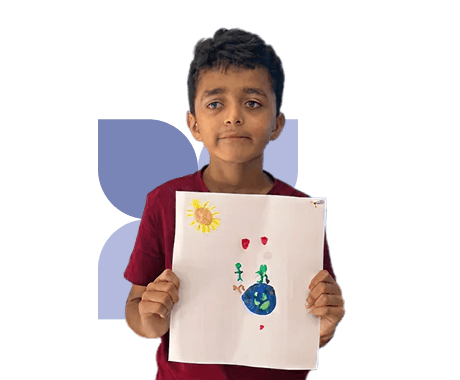
Divergent and Imaginative Thinkers
Use imagination, storytelling, art, and movement to think creatively
Make connections, ask questions, and explore multiple possibilities
Develop early problem-solving skills through play and experimentation
Divergent and Imaginative Thinkers
Use imagination, storytelling, art, and movement to think creatively
Make connections, ask questions, and explore multiple possibilities
Develop early problem-solving skills through play and experimentation
Divergent and Imaginative Thinkers
Use imagination, storytelling, art, and movement to think creatively
Make connections, ask questions, and explore multiple possibilities
Develop early problem-solving skills through play and experimentation
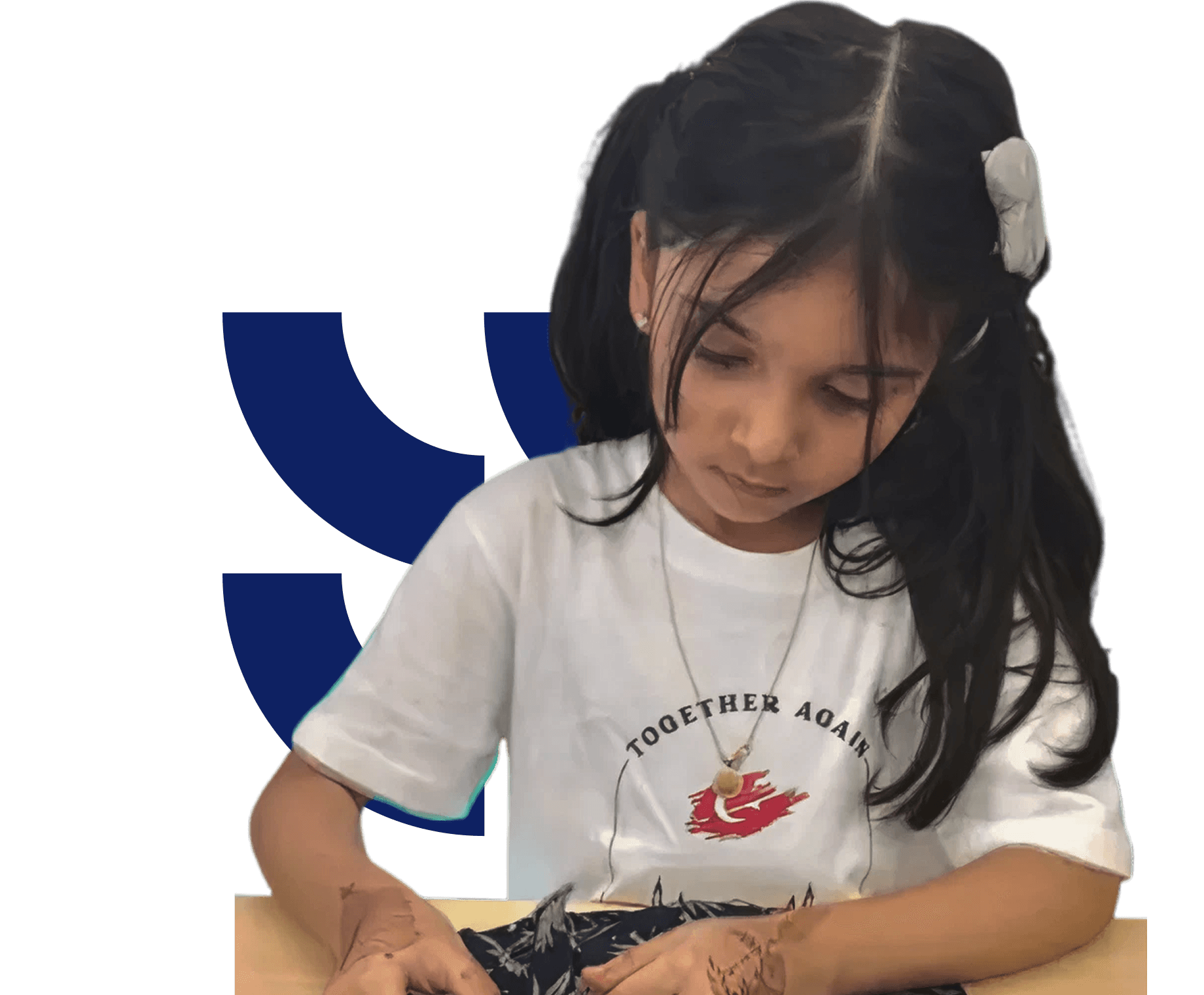
Independent Beginnings
Make choices, follow routines naturally, and take responsibility for simple tasks.
Build confidence in doing things independently at their own pace.
Develop early agency, ownership, and love for learning.
Independent Beginnings
Make choices, follow routines naturally, and take responsibility for simple tasks.
Build confidence in doing things independently at their own pace.
Develop early agency, ownership, and love for learning.
Independent Beginnings
Make choices, follow routines naturally, and take responsibility for simple tasks.
Build confidence in doing things independently at their own pace.
Develop early agency, ownership, and love for learning.



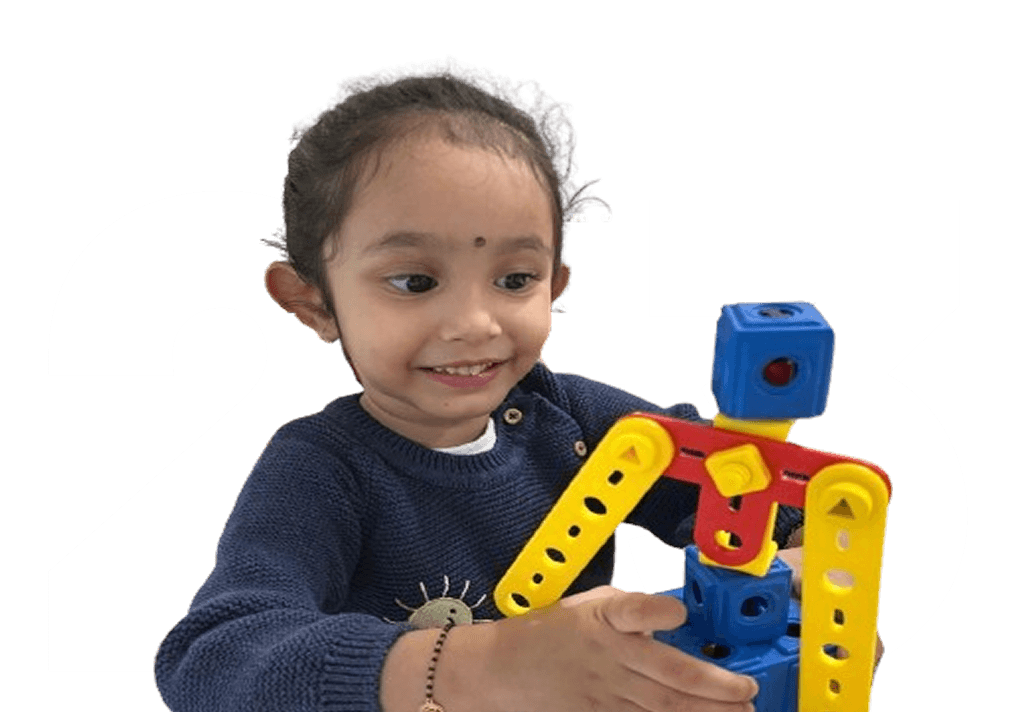
Wanderers
Playgroup
2-3 yrs
Wanderers
Playgroup
2-3 yrs
Magicians
Nursery
3-4 yrs
Magicians
Nursery
3-4 yrs
Explorers
FY1
4-5 yrs
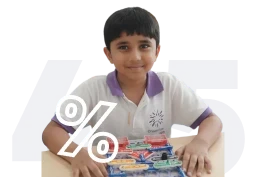
Explorers
FY1
4-5 yrs
Discoverers
FY2
5-6 yrs
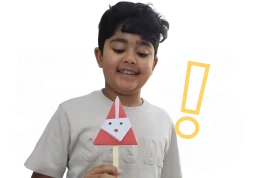
Discoverers
FY2
5-6 yrs
Personal Learning Outcome Track (PLOT)
Personal Learning Outcome Track (PLOT)
At Dreamtime Learning Hubs, we believe a child shouldn't have to change who they are to fit into a classroom. Instead, we build the classroom around them. The Personal Learning Outcome Track (PLOT) is our bespoke framework for ensuring that every child’s educational journey is as unique as their fingerprint.
At Dreamtime Learning Hubs, we believe a child shouldn't have to change who they are to fit into a classroom. Instead, we build the classroom around them. The Personal Learning Outcome Track (PLOT) is our bespoke framework for ensuring that every child’s educational journey is as unique as their fingerprint.
How the PLOT Works...
How the PLOT Works...
Honouring the Authentic Self
We don’t just look at what a child can do; we look at who they are. PLOT captures the emerging sparks of curiosity, natural motivators, and unique sensitivities that define a learner’s internal world.
Honouring the Authentic Self
We don’t just look at what a child can do; we look at who they are. PLOT captures the emerging sparks of curiosity, natural motivators, and unique sensitivities that define a learner’s internal world.
Curriculum in Service of the Child
Rather than moving through a rigid, age-based checklist, we adapt our strategies and environments to match the child’s specific intelligence profile. We teach to their strengths to build the confidence needed to tackle their challenges.
Curriculum in Service of the Child
Rather than moving through a rigid, age-based checklist, we adapt our strategies and environments to match the child’s specific intelligence profile. We teach to their strengths to build the confidence needed to tackle their challenges.
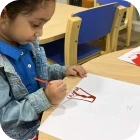
Growth Without Comparison
Standardised benchmarks often overlook individual brilliance. In the PLOT framework, progress is measured against a child’s own previous milestones and readiness, ensuring they feel successful rather than "behind.
Growth Without Comparison
Standardised benchmarks often overlook individual brilliance. In the PLOT framework, progress is measured against a child’s own previous milestones and readiness, ensuring they feel successful rather than "behind.
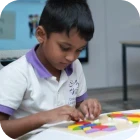
A Living, Breathing Roadmap
A child is a moving target - constantly growing and shifting. PLOT is a dynamic document that evolves in real-time, pivoting as the child discovers new passions or masters new skills.
A Living, Breathing Roadmap
A child is a moving target - constantly growing and shifting. PLOT is a dynamic document that evolves in real-time, pivoting as the child discovers new passions or masters new skills.
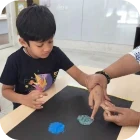
The Parent as the Primary Expert
We begin by listening. Parents provide the foundational "map" of their child, sharing deep insights into their interests, emotional nuances, learning preferences, and the quiet strengths that only a family sees.
The Parent as the Primary Expert
We begin by listening. Parents provide the foundational "map" of their child, sharing deep insights into their interests, emotional nuances, learning preferences, and the quiet strengths that only a family sees.
Why This Matters
Why This Matters
When we honour how a child is naturally wired, learning stops being a chore and starts being an adventure. By aligning the environment to the learner, we foster a deep sense of belonging, fueling the confidence they need to engage with the world on their own terms.
When we honour how a child is naturally wired, learning stops being a chore and starts being an adventure. By aligning the environment to the learner, we foster a deep sense of belonging, fueling the confidence they need to engage with the world on their own terms.


The Plot
A Blueprint for
Foundation Fantasy
A Blueprint for
Foundation Fantasy
For our youngest learners in Foundation Fantasy, the Personal Learning Outcome Track (PLOT) is a bespoke roadmap designed to protect their natural curiosity. It moves away from rigid early-years schooling toward a personalized experience that balances developmental milestones with the pure joy of discovery.
For our youngest learners in Foundation Fantasy, the Personal Learning Outcome Track (PLOT) is a bespoke roadmap designed to protect their natural curiosity. It moves away from rigid early-years schooling toward a personalized experience that balances developmental milestones with the pure joy of discovery.

The Learner Profile:
Nurturing the Individual

Developmental Milestones:
Growth Across Domains

The Creators Hub:
Early Innovation

Self-Directed
Exploration
The journey begins by understanding the child’s emotional and cognitive landscape.
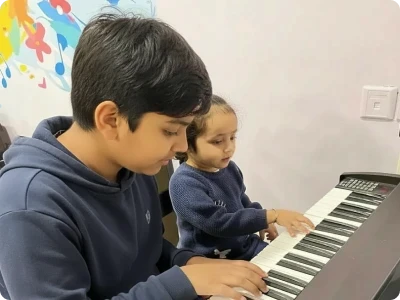
Multiple Intelligence (MI) Profiling: Even at age 5, we identify dominant modalities such as Bodily-Kinesthetic, Visual-Spatial, or Musical Intelligence. By recognizing these early markers, we tailor their "play-way" learning to align with their natural brain wiring.
Emotional Anchors: We identify what motivates the child whether it is a fondness for characters like Iron Man, a connection to specific animals, or a need for physical affection and attention. These anchors are used to build a safe, high-trust environment where the child feels seen and valued.
The Learner Profile:
Nurturing the Individual
Developmental Milestones:
Growth Across Domains
The Creators Hub:
Early Innovation
Self-Directed
Exploration
The journey begins by understanding the child’s emotional and cognitive landscape.
Multiple Intelligence (MI) Profiling: Even at age 5, we identify dominant modalities such as Bodily-Kinesthetic, Visual-Spatial, or Musical Intelligence. By recognizing these early markers, we tailor their "play-way" learning to align with their natural brain wiring.
Emotional Anchors: We identify what motivates the child whether it is a fondness for characters like Iron Man, a connection to specific animals, or a need for physical affection and attention. These anchors are used to build a safe, high-trust environment where the child feels seen and valued.
The Learner Profile:
Nurturing the Individual
Developmental Milestones:
Growth Across Domains
The Creators Hub:
Early Innovation
Self-Directed
Exploration
The journey begins by understanding the child’s emotional and cognitive landscape.
Multiple Intelligence (MI) Profiling: Even at age 5, we identify dominant modalities such as Bodily-Kinesthetic, Visual-Spatial, or Musical Intelligence. By recognizing these early markers, we tailor their "play-way" learning to align with their natural brain wiring.
Emotional Anchors: We identify what motivates the child whether it is a fondness for characters like Iron Man, a connection to specific animals, or a need for physical affection and attention. These anchors are used to build a safe, high-trust environment where the child feels seen and valued.


Choice Based Learning
Igniting natural wonder through Choice-Based Learning (CBL)
Igniting natural wonder through Choice-Based Learning (CBL)
Foundation Fantasy shapes learners into curious, future-ready thinkers by fostering self-mastery and resilience in an environment where they feel safe to be their authentic selves.
Through Choice-Based Learning, children transition from passive students to active innovators, cultivating the communication skills and creative courage needed to turn original ideas into impactful actions
Foundation Fantasy shapes learners into curious, future-ready thinkers by fostering self-mastery and resilience in an environment where they feel safe to be their authentic selves.
Through Choice-Based Learning, children transition from passive students to active innovators, cultivating the communication skills and creative courage needed to turn original ideas into impactful actions
Foundation Fantasy: Explore & Choose
Foundation Fantasy: Explore & Choose

Makerspace
The Innovation Lab
The Innovation Lab
Where Little Hands Solve Big Puzzles
Where Little Hands Solve Big Puzzles
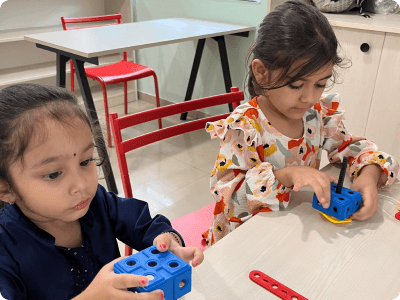
In our Makerspace, the Foundation Fantasy learners transition from curious observers to active creators. The Makerspace is more than a lab; it is a training ground for courageous thinking. Here, a "mistake" is simply a first draft, and every "broken" circuit is a puzzle waiting to be solved.
In our Makerspace, the Foundation Fantasy learners transition from curious observers to active creators. The Makerspace is more than a lab; it is a training ground for courageous thinking. Here, a "mistake" is simply a first draft, and every "broken" circuit is a puzzle waiting to be solved.
The Robotics Foundation
Our early-years robotics programme introduces complex concepts through simplified, playful interactions:
Interactive Electronics: Learners explore the "magic" of circuitry using child-safe components like glowing LEDs, tactile buttons, rhythmic alarms, and light/motion sensors.
Playful Mechanics: Children discover the how behind the do, learning the basic mechanical principles that make objects move, spin, and lift.
Introductory Design Thinking: We introduce the "User-First" mindset, teaching children to identify a problem, brainstorm a creative solution, and build a prototype.
The Robotics Foundation
Our early-years robotics programme introduces complex concepts through simplified, playful interactions:
Interactive Electronics: Learners explore the "magic" of circuitry using child-safe components like glowing LEDs, tactile buttons, rhythmic alarms, and light/motion sensors.
Playful Mechanics: Children discover the how behind the do, learning the basic mechanical principles that make objects move, spin, and lift.
Introductory Design Thinking: We introduce the "User-First" mindset, teaching children to identify a problem, brainstorm a creative solution, and build a prototype.
The Robotics Foundation
Our early-years robotics programme introduces complex concepts through simplified, playful interactions:
Interactive Electronics: Learners explore the "magic" of circuitry using child-safe components like glowing LEDs, tactile buttons, rhythmic alarms, and light/motion sensors.
Playful Mechanics: Children discover the how behind the do, learning the basic mechanical principles that make objects move, spin, and lift.
Introductory Design Thinking: We introduce the "User-First" mindset, teaching children to identify a problem, brainstorm a creative solution, and build a prototype.
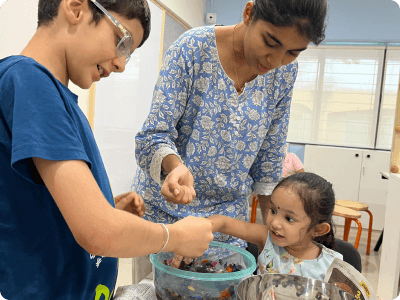
DIY & Craft Mastery
Complementing our tech-focused learning is our DIY Studio, where traditional craftsmanship meets imagination:
Material Exploration: Using wood, fabric, clay, and recycled elements to understand texture and durability.
Tool Confidence: Safely mastering the use of simple tools to build, bond, and decorate their inventions.
DIY & Craft Mastery
Complementing our tech-focused learning is our DIY Studio, where traditional craftsmanship meets imagination:
Material Exploration: Using wood, fabric, clay, and recycled elements to understand texture and durability.
Tool Confidence: Safely mastering the use of simple tools to build, bond, and decorate their inventions.
DIY & Craft Mastery
Complementing our tech-focused learning is our DIY Studio, where traditional craftsmanship meets imagination:
Material Exploration: Using wood, fabric, clay, and recycled elements to understand texture and durability.
Tool Confidence: Safely mastering the use of simple tools to build, bond, and decorate their inventions.



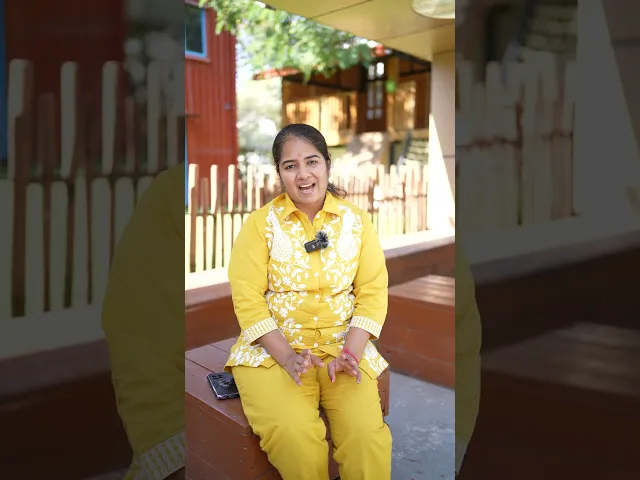
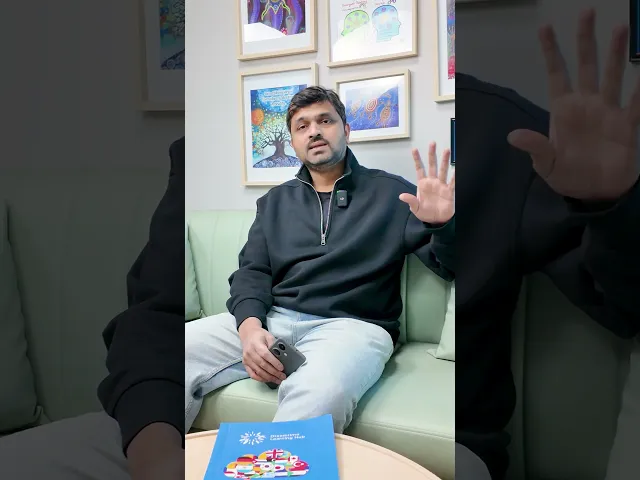
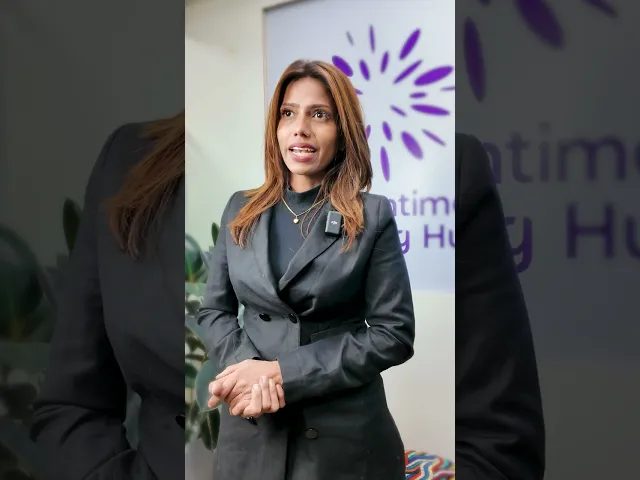
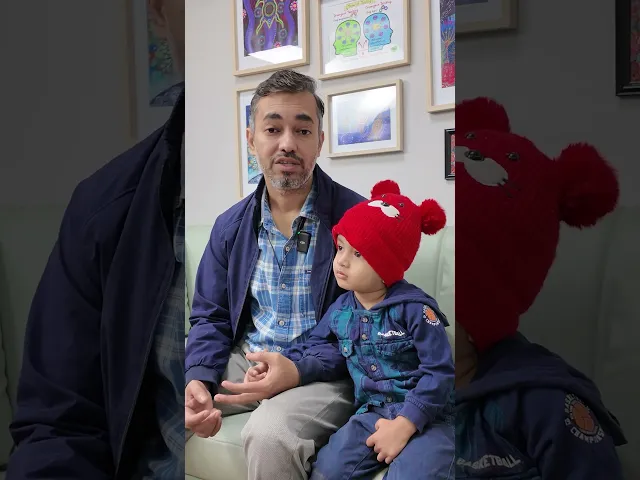
Hear from our proud parents
Listen to how our youngest learners and their families describe the magic and impact of Foundation Fantasy.






Hear from our proud parents
Listen to how our youngest learners and their families describe the magic and impact of Foundation Fantasy.
Hear from our proud parents
Listen to how our youngest learners and their families describe the magic and impact of Foundation Fantasy.
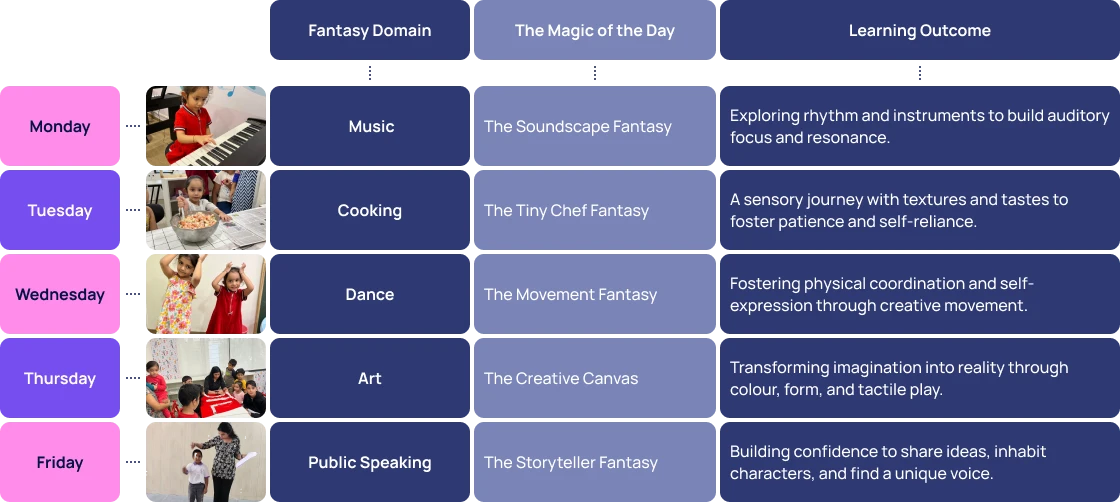
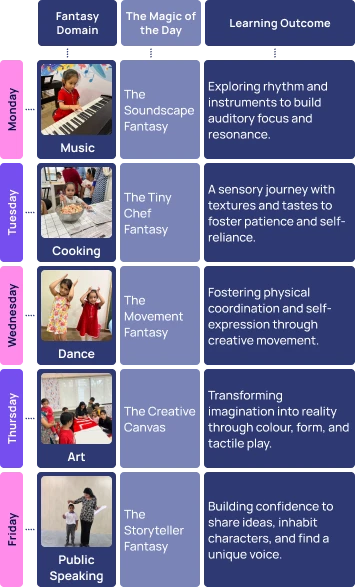
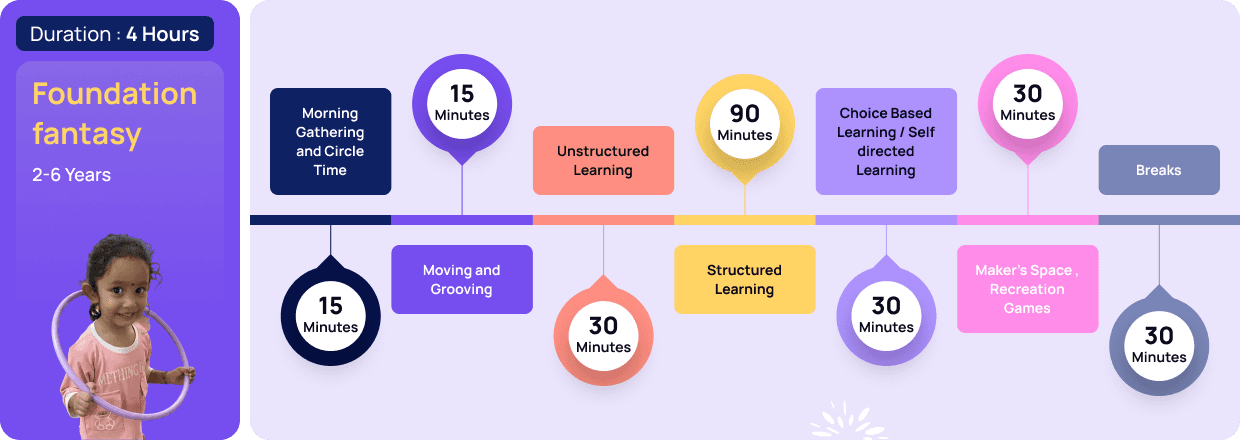
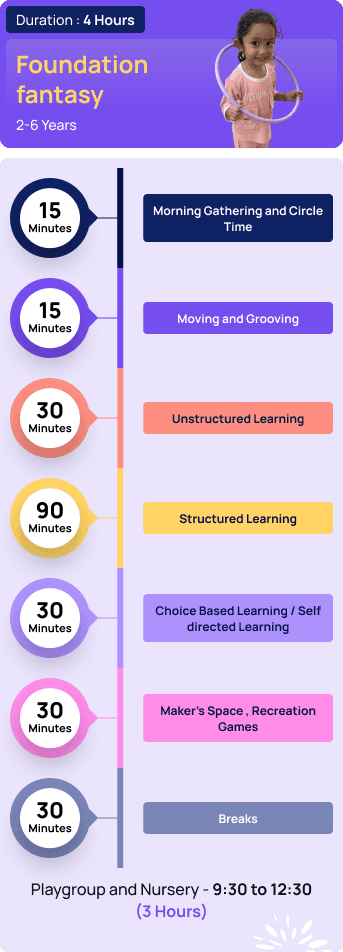
Foundation Fantasy programme Schedule
Foundation Fantasy programme Schedule
Our flexible schedule blends focused learning, play, and projects to match your child's natural rhythm.
Our flexible schedule blends focused learning, play, and projects to match your child's natural rhythm.






Explore how Dreamtime Learning Hub transforms school into a joyful, future-ready journey where every child discovers and grows into their true potential.
Explore how Dreamtime Learning Hub transforms school into a joyful, future-ready journey where every child discovers and grows into their true potential.

Discover what makes learning different at Dreamtime Hubs
Join the movement. Be the disruption the future is waiting for.
As a Dreamtime Hub Hero, you create an environment where children learn with purpose, curiosity, and inner strength. We walk beside you to design the space and embed a learning model that transforms the fabric of education from the inside out.

Discover what makes learning different at Dreamtime Hubs
Join the movement. Be the disruption the future is waiting for.
As a Dreamtime Hub Hero, you create an environment where children learn with purpose, curiosity, and inner strength. We walk beside you to design the space and embed a learning model that transforms the fabric of education from the inside out.


Frequently asked questions
Frequently asked questions
Common questions about our unique approach to learning.
Common questions about our unique approach to learning.
How do you assess learning at Dreamtime Learning Hub?
We don’t believe learning can be captured by marks alone. Children are assessed through portfolios, observations, projects, reflections, and real-world application. We look at how they think, create, collaborate, problem-solve, and grow emotionally, not just what they memorise.This approach develops adaptable, confident learners equipped for future education systems and evolving careers, not outdated exam models.
This model allows Dreamtime Learning Hub to demonstrate measurable learner growth across cognitive, social, and emotional domains, outcomes increasingly valued by progressive schools, universities, and employers worldwide.
Do you offer online learning?
Yes. Our online programs carry the same philosophy and learning design as our physical hubs. Learning remains personalised, interactive, and deeply engaging, with strong relationships between learners and educators at the centre.Technology is used as a tool to deepen engagement, not replace human connection.
This ensures continuity and flexibility for families while maintaining the same quality, care, and educational outcomes as our in-person hubs.
Which age groups do Dreamtime Learning Hubs serve?
We work with children from early years through the middle years, approximately ages 2 to 13. Each stage of learning is carefully structured to align with children’s developmental needs, cognitive growth, and emotional readiness, ensuring age-appropriate challenge, support, and progression.
Families benefit from a consistent learning philosophy across years, reducing disruptive transitions and supporting steady, confident growth from early childhood onward.
How are parents involved in the learning journey?
Parents are our partners. We believe learning works best when home and school are aligned. Parents are invited into conversations, workshops, reflections, and everyday touchpoints that help them understand and support their child’s growth
When parents and educators work together, children show stronger confidence, faster developmental progress, and greater emotional security.
What are your class sizes like?
Our classes are intentionally small, usually between 10 and 15 learners. This allows educators to truly know each child, their strengths, interests, and learning rhythms, and to respond to them as individuals, not numbers. Small group sizes ensure every child is seen, heard, and supported to thrive. Small class sizes enable high-quality, personalised learning, especially critical in the early years, so no child gets lost, overlooked, or rushed.
How do you assess learning at Dreamtime Learning Hub?
We don’t believe learning can be captured by marks alone. Children are assessed through portfolios, observations, projects, reflections, and real-world application. We look at how they think, create, collaborate, problem-solve, and grow emotionally, not just what they memorise.This approach develops adaptable, confident learners equipped for future education systems and evolving careers, not outdated exam models.
This model allows Dreamtime Learning Hub to demonstrate measurable learner growth across cognitive, social, and emotional domains, outcomes increasingly valued by progressive schools, universities, and employers worldwide.
Do you offer online learning?
Yes. Our online programs carry the same philosophy and learning design as our physical hubs. Learning remains personalised, interactive, and deeply engaging, with strong relationships between learners and educators at the centre.Technology is used as a tool to deepen engagement, not replace human connection.
This ensures continuity and flexibility for families while maintaining the same quality, care, and educational outcomes as our in-person hubs.
Which age groups do Dreamtime Learning Hubs serve?
We work with children from early years through the middle years, approximately ages 2 to 13. Each stage of learning is carefully structured to align with children’s developmental needs, cognitive growth, and emotional readiness, ensuring age-appropriate challenge, support, and progression.
Families benefit from a consistent learning philosophy across years, reducing disruptive transitions and supporting steady, confident growth from early childhood onward.
How are parents involved in the learning journey?
Parents are our partners. We believe learning works best when home and school are aligned. Parents are invited into conversations, workshops, reflections, and everyday touchpoints that help them understand and support their child’s growth
When parents and educators work together, children show stronger confidence, faster developmental progress, and greater emotional security.
What are your class sizes like?
Our classes are intentionally small, usually between 10 and 15 learners. This allows educators to truly know each child, their strengths, interests, and learning rhythms, and to respond to them as individuals, not numbers. Small group sizes ensure every child is seen, heard, and supported to thrive. Small class sizes enable high-quality, personalised learning, especially critical in the early years, so no child gets lost, overlooked, or rushed.




Hyderabad Campus | +91 6302138606
Dreamtime learning hub, Plot no 505, Road no 22, Jubilee hills, Hyderabad – 500033.
Pune Campus | +91 7207352288
Survey no 202A, plot no 4B, next to Shree Hospital, opp Aga khan palace, Kalyani Nagar, Nagar road, Pune – 411006.

hub@dreamtimelearning.com
Copyright © 2025 PoweredbyDTL, All rights reserved.


Hyderabad Campus | +91 6302138606
Dreamtime learning hub, Plot no 505, Road no 22, Jubilee hills, Hyderabad – 500033.
Pune Campus | +91 7207352288
Survey no 202A, plot no 4B, next to Shree Hospital, opp Aga khan palace, Kalyani Nagar, Nagar road, Pune – 411006.
hub@dreamtimelearning.com
Copyright © 2025 PoweredbyDTL, All rights reserved.
Hyderabad Campus | +91 6302138606
Dreamtime learning hub, Plot no 505, Road no 22, Jubilee hills, Hyderabad – 500033.
Pune Campus | +91 7207352288
Survey no 202A, plot no 4B, next to Shree Hospital, opp Aga khan palace, Kalyani Nagar, Nagar road, Pune – 411006.
hub@dreamtimelearning.com
Get in touch
Copyright © 2025 PoweredbyDTL, All rights reserved.
